
What Is the Best Month for an African Safari?
Planning an African safari is an exciting experience, but choosing the right time of year can make all the difference. From witnessing the Great Migration in East Africa to spotting elephants gathering around waterholes in Botswana, every season offers something special.
So, what is the best month for an African safari? The answer depends on where you want to go, the wildlife experiences you hope to enjoy, and the type of holiday you have in mind.
Africa is a vast continent with different climates and wildlife patterns, meaning there is no single perfect month for every destination. However, certain months offer particularly rewarding safari experiences.
The Best Time of Year for an African Safari
Generally, the dry season between May and October is considered one of the best times for a traditional African wildlife safari, particularly in Southern Africa.
During these months, vegetation becomes thinner, water sources become limited, and animals gather around rivers and waterholes. This makes wildlife easier to spot and creates excellent photographic opportunities.
In East Africa, the dry seasons from June to October and January to February are particularly popular, with excellent opportunities to witness the Great Migration and experience exceptional game viewing.
Month-by-Month Guide to African Safaris
January – February: Calving Season and Green Landscapes
January and February are wonderful months to visit Tanzania and Kenya, particularly the southern Serengeti, where thousands of wildebeest give birth during the calving season.
Predators such as lions, cheetahs and hyenas are often active, taking advantage of the abundance of young animals.
In Southern Africa, these months fall within the summer rainy season. Landscapes are lush and green, migratory birds are abundant, and many animals give birth.
Best destinations: Tanzania, Kenya, South Africa and Botswana.
March – April: A Quieter Safari Experience
March and April are generally part of the rainy season in many Southern African destinations. Although occasional heavy rainfall can affect road conditions, the scenery is spectacular.
This is a particularly rewarding time for photographers who enjoy dramatic skies, green landscapes and newborn wildlife.
In East Africa, the long rains usually begin around March and continue into May, making some remote areas more challenging to access.
Best destinations: South Africa, Tanzania and selected safari areas in Botswana.
May – June: The Beginning of the Dry Season
May marks the transition into the dry season across much of Southern Africa. Rainfall decreases, temperatures become cooler and wildlife viewing gradually improves.
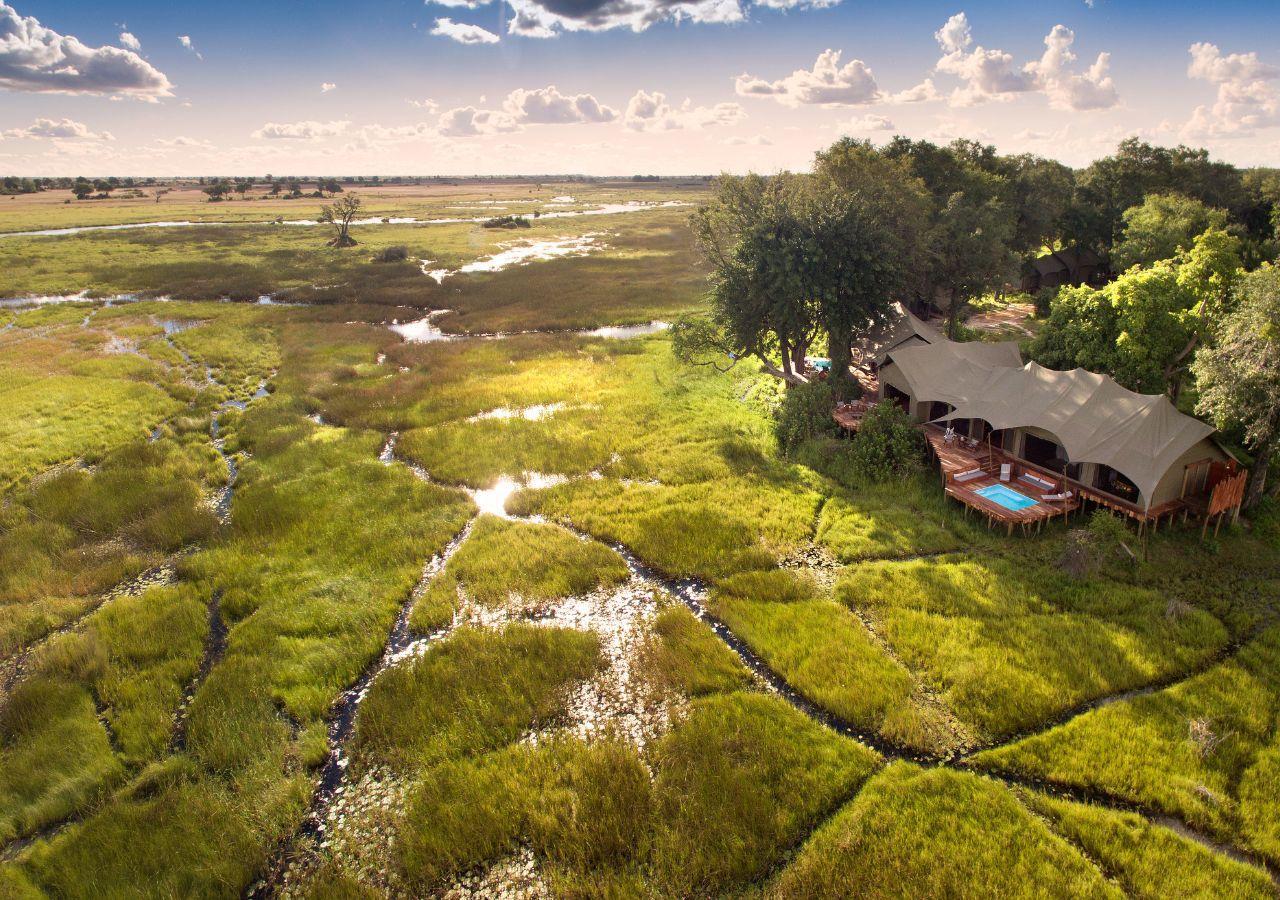
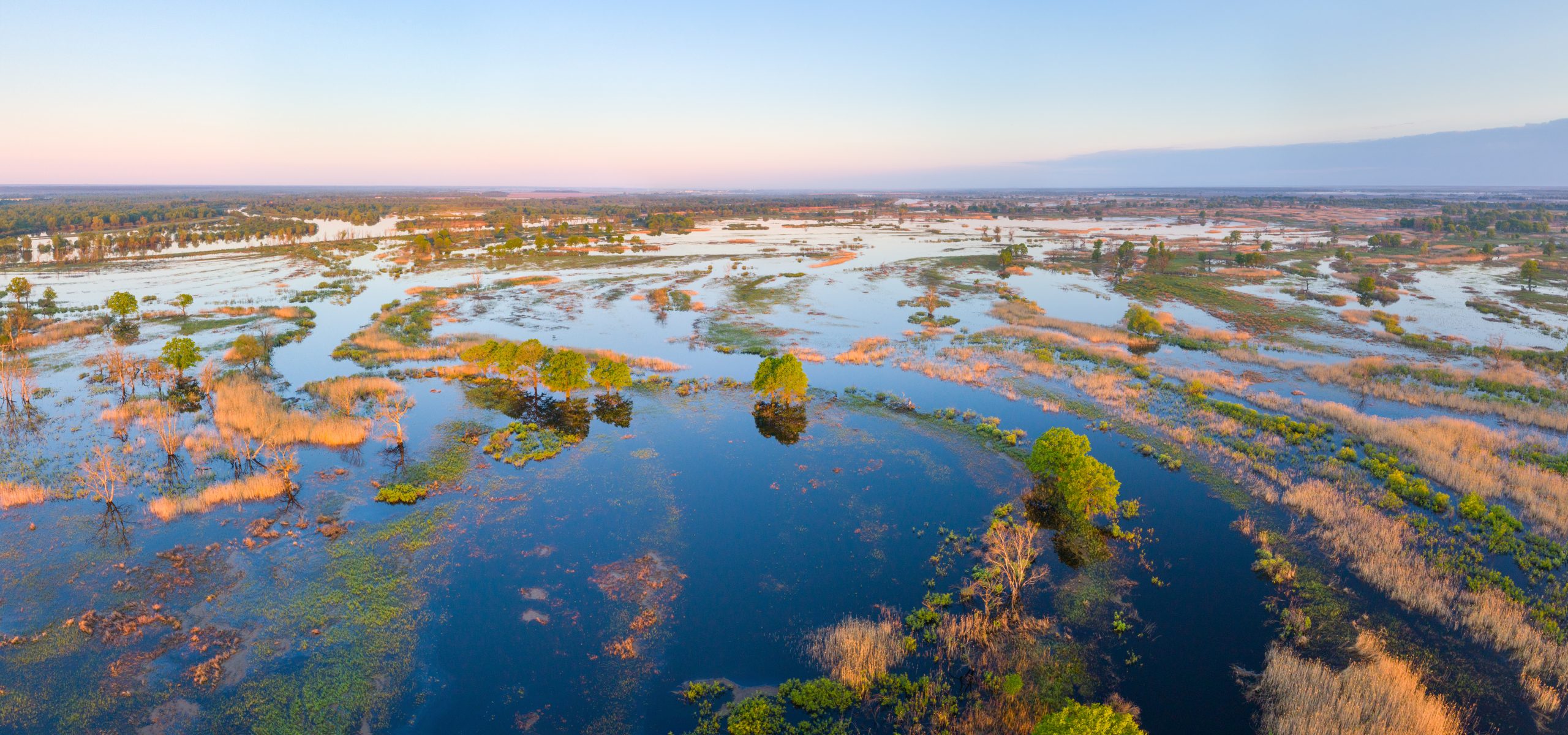
In Botswana, the Okavango Delta begins to receive its annual floodwaters, creating a remarkable contrast between the seasonal rains in Angola and the dry conditions in Botswana.
June is also an excellent month to visit South Africa’s Kruger National Park and the private reserves of the Greater Kruger region.
In East Africa, the Great Migration begins moving towards the northern Serengeti and Kenya’s Masai Mara.
Best destinations: Botswana, South Africa, Zimbabwe, Zambia and Tanzania.
July – August: Peak Safari Season
July and August are among the most popular months for an African safari.
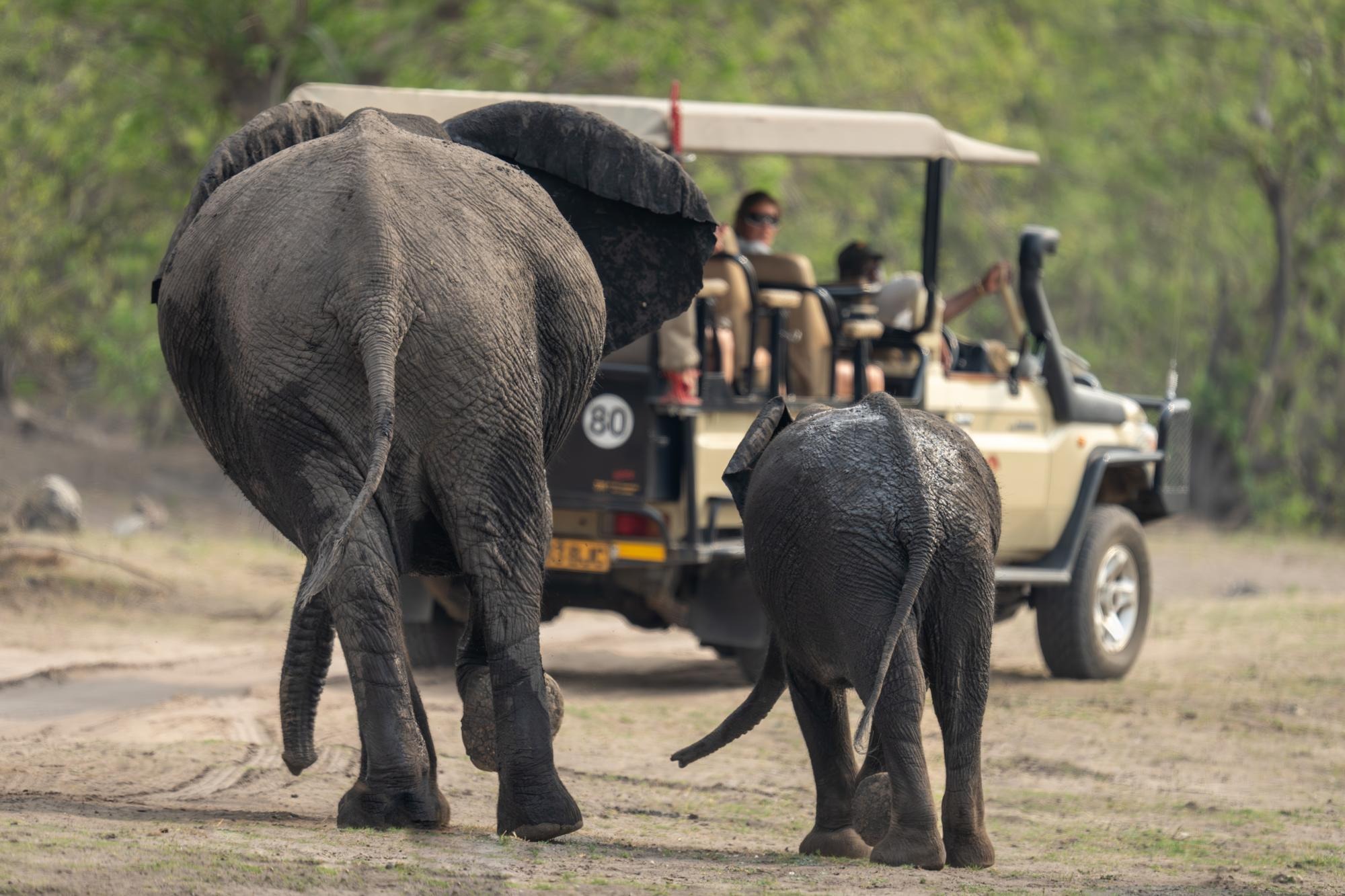
The dry conditions make wildlife easier to locate, and animals frequently gather around permanent water sources. The cooler, drier weather also makes travelling through many safari regions comfortable.
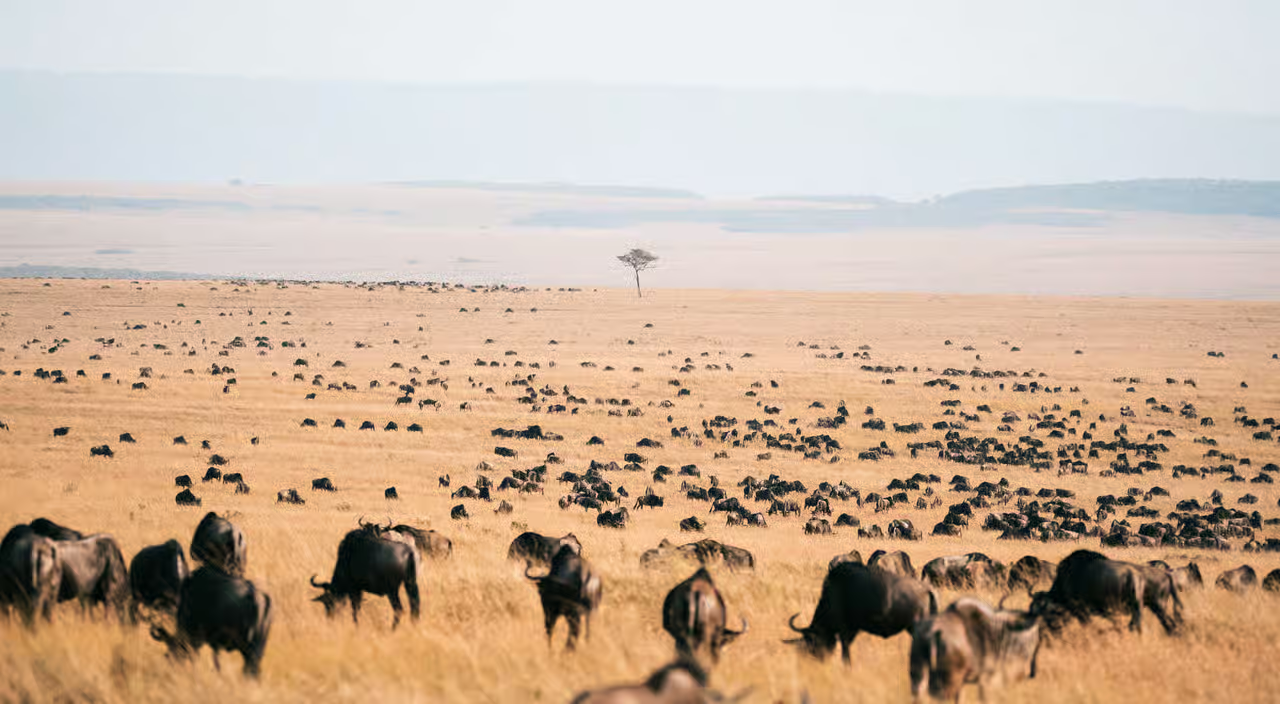
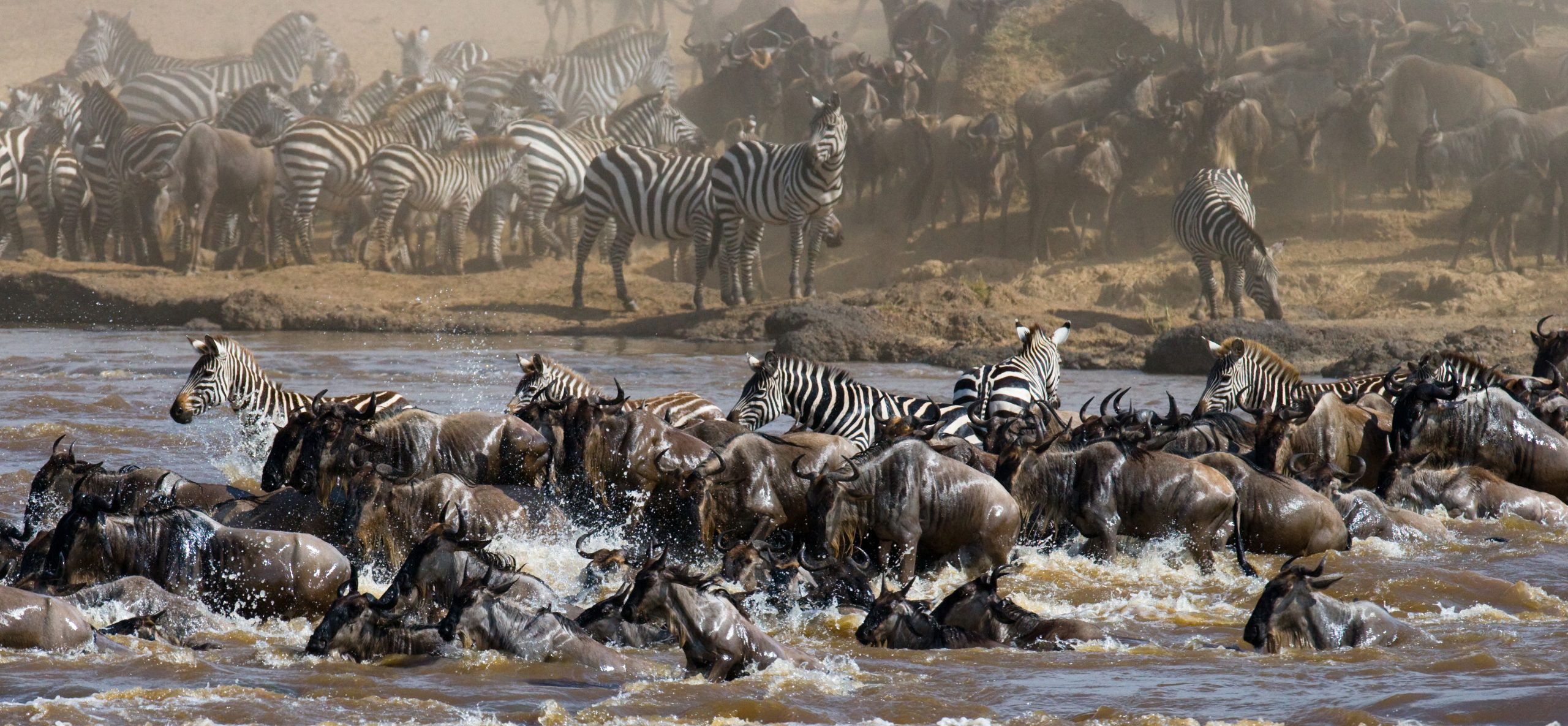
These months are particularly exciting in East Africa, when the Great Migration moves through the northern Serengeti and into Kenya’s Masai Mara. River crossings can occur during this period, although their timing is unpredictable.
In Botswana, the Okavango Delta is at its most spectacular, offering exceptional game viewing and opportunities for mokoro excursions through its waterways.
Best destinations: Kenya, Tanzania, Botswana, South Africa, Zambia and Zimbabwe.
September – October: Exceptional Wildlife Viewing
September and October are considered some of the best months for wildlife enthusiasts visiting Southern Africa.
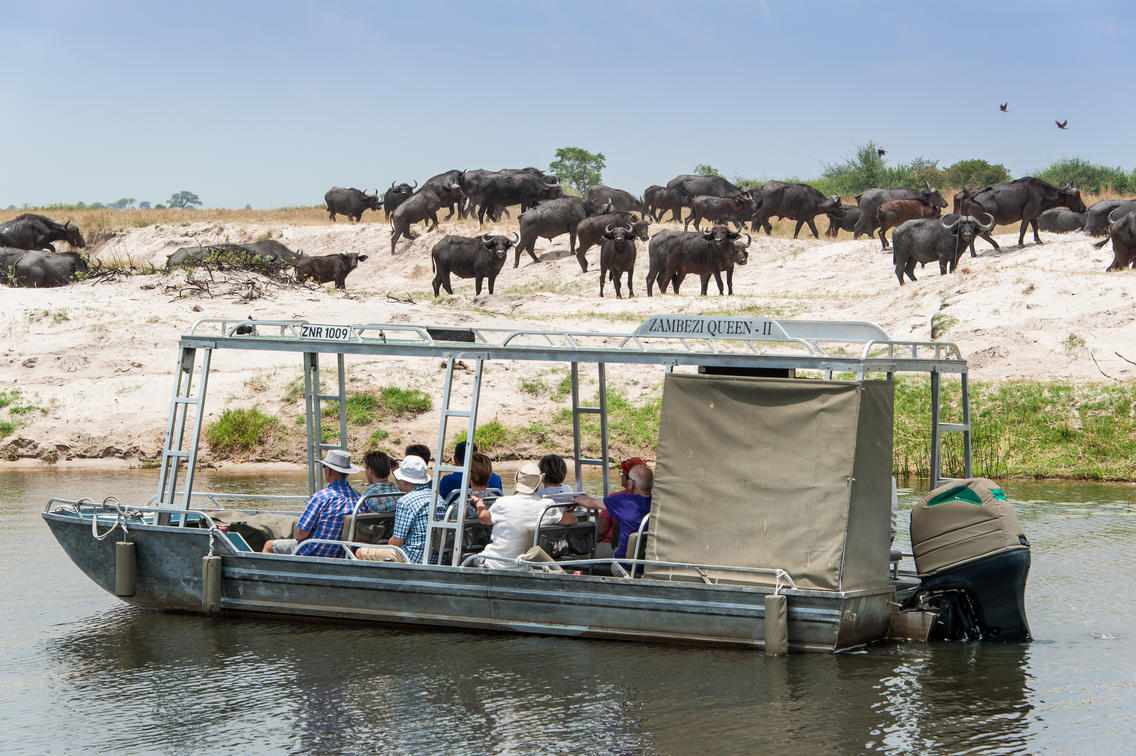
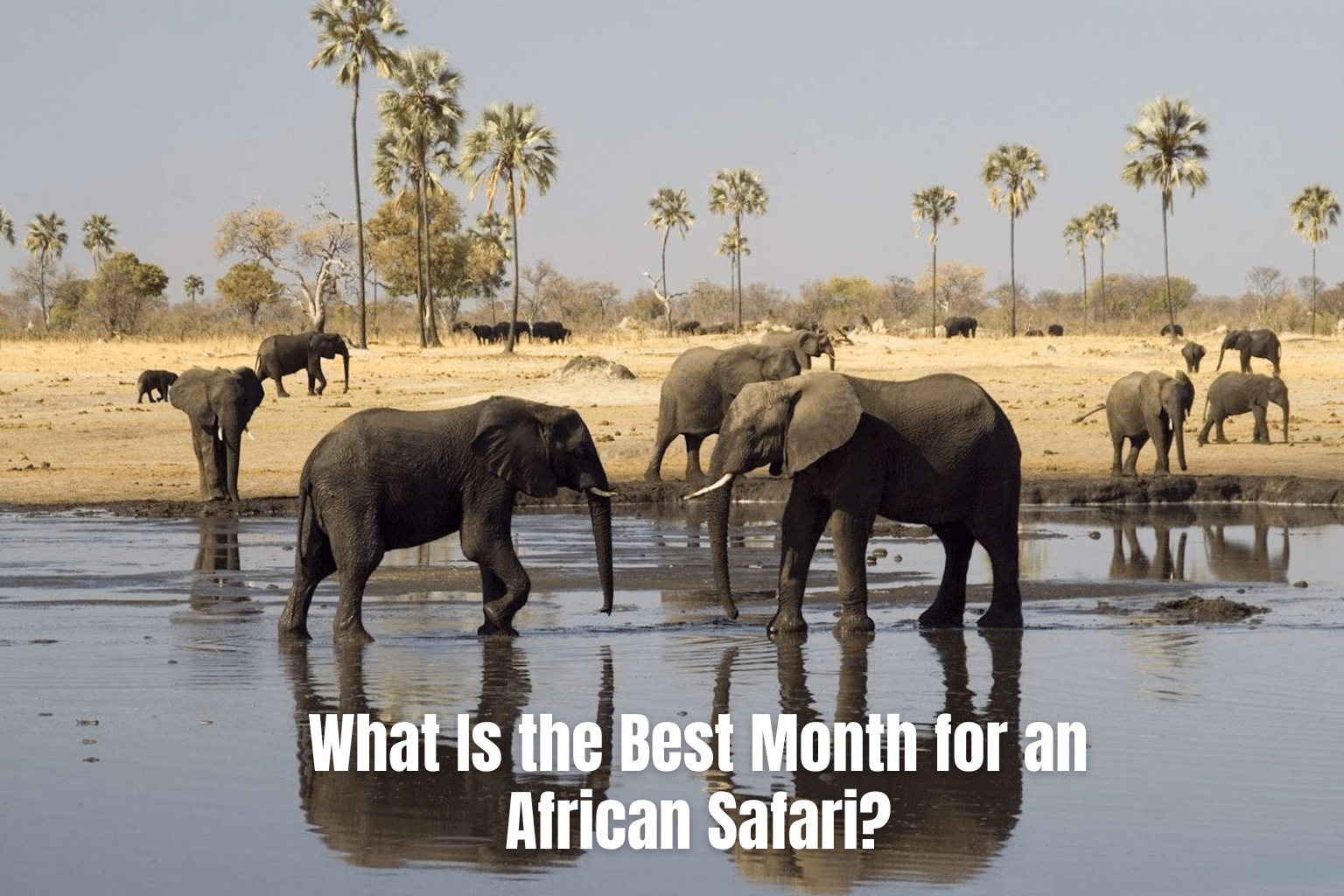
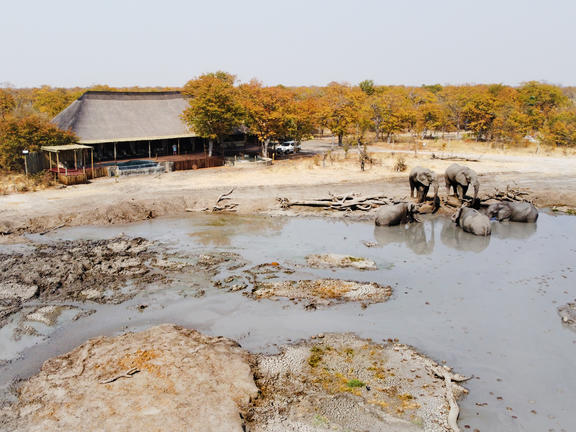
As the dry season reaches its peak, natural water sources become scarce. Large herds of elephants, buffalo and other wildlife gather around rivers and waterholes.
In Botswana, Chobe National Park is famous for its enormous elephant populations, making this an outstanding time for game drives and river safaris.
South Africa’s Kruger National Park also offers excellent wildlife viewing, while Zimbabwe’s Hwange National Park is renowned for its large elephant herds.
Best destinations: Botswana, South Africa, Zimbabwe, Zambia and Kenya.
November – December: Green Season Begins
November and December bring the first summer rains to many parts of Southern Africa.
The landscapes transform into lush green surroundings, migratory birds return, and many antelope species give birth.
Although wildlife can be slightly more difficult to spot due to thicker vegetation, the green season offers wonderful photographic opportunities and often fewer visitors.
Cape Town and South Africa’s Winelands are also particularly attractive during the summer months, making this a wonderful time to combine a safari with a coastal holiday.
Best destinations: South Africa, Botswana, Namibia and Tanzania.
Best Months to Visit Africa’s Top Safari Destinations
Different destinations offer different seasonal highlights. Here is a quick guide to help you decide when to travel.
| Destination | Best Months | Highlights |
|---|---|---|
| Kruger National Park, South Africa | May – September | Excellent game viewing and cooler weather |
| Sabi Sands, South Africa | May – September | Exceptional Big Five sightings |
| Okavango Delta, Botswana | June – October | Floodwaters, mokoro safaris and wildlife |
| Chobe National Park, Botswana | July – October | Large elephant herds |
| Victoria Falls, Zimbabwe | March – May | Impressive water flow |
| Hwange National Park, Zimbabwe | July – October | Elephants gathering around waterholes |
| Serengeti, Tanzania | January – February; June – October | Calving season and Great Migration |
| Masai Mara, Kenya | July – October | Great Migration and possible river crossings |
| South Luangwa, Zambia | June – October | Walking safaris and excellent wildlife viewing |
| Namibia | May – October | Dry weather and desert wildlife |
When Is the Best Time to See the Big Five?
If seeing Africa’s famous Big Five – lion, leopard, elephant, rhino and buffalo – is high on your safari wish list, the dry winter months are generally an excellent choice.
From May to September, vegetation is thinner, and animals are more likely to gather around permanent water sources.
South Africa’s Kruger National Park and Sabi Sands, as well as Botswana’s Chobe National Park, offer outstanding opportunities for Big Five encounters.
Remember that wildlife sightings are never guaranteed. Every game drive is different, and that is part of what makes an African safari so special.
When Is the Best Time to Experience the Great Migration?
The Great Migration is one of the most extraordinary wildlife spectacles on Earth. Every year, millions of wildebeest, accompanied by zebras and gazelles, move across the Serengeti ecosystem in search of fresh grazing.
January and February are particularly rewarding for witnessing the calving season in the southern Serengeti.
From June to October, the migration generally moves northwards, with the possibility of dramatic Mara and Grumeti River crossings. These crossings depend on rainfall and animal movements, so exact timing cannot be guaranteed.
For travellers hoping to witness this incredible natural event, July to September is a popular time to visit the northern Serengeti and Kenya’s Masai Mara.
Is the Green Season Worth Visiting?
Absolutely! While the dry season is popular for traditional game viewing, the green season has its own unique appeal.
From November to April, many African safari destinations experience seasonal rainfall, transforming dry landscapes into beautiful green wilderness areas.
Benefits of travelling during the green season include:
- Beautiful green landscapes and dramatic photographic opportunities.
- Excellent birdwatching, with many migratory species present.
- Newborn animals and increased predator activity in certain regions.
- Fewer tourists in some destinations.
- Potentially more attractive accommodation rates.
For travellers looking for a quieter and often more affordable safari experience, the green season can be an excellent choice.
So, What Is the Best Month for an African Safari?
If you are looking for excellent overall wildlife viewing in Southern Africa, August and September are two of the best months to consider. Dry conditions, limited vegetation and animals gathering around water sources create exceptional safari opportunities.
For the Great Migration in East Africa, July to September is particularly popular, while January and February offer the unforgettable experience of the wildebeest calving season.
Ultimately, the best month depends on your preferred destination and the experiences you want to enjoy.
Plan Your African Safari with African Sunrise Safaris
Whether you dream of tracking lions across the African bush, witnessing the Great Migration, gliding through the waterways of the Okavango Delta or experiencing the spectacular Victoria Falls, Africa offers unforgettable adventures throughout the year.
At African Sunrise Safaris, we specialise in creating personalised African safari experiences, combining exceptional wildlife destinations, carefully selected accommodation and memorable experiences.
Let us help you choose the right destination and travel dates for your dream African adventure.
Start planning your African safari today and discover the magic of Africa, one unforgettable experience at a time.